Best Affiliate Marketing Systems for Beginners: What to Pick First (and What to Skip) in 2026
Type “best affiliate marketing systems for beginners” into Google and you’ll get roughly forty lists that all sound alike. A good chunk are written by people who get paid by whichever system they stuck at number one. I’m an affiliate too, and I’ll come back to that at the bottom, but I’d rather say so now than act like I’ve got nothing riding on it.
So this isn’t a ranking. Think of it more as a rough map. There are a few very different things people call a “system,” and which one suits you depends on how much money you can risk, how much hand-holding you need, and how patient you are. Pick the wrong match and even a decent system will feel like a dud.
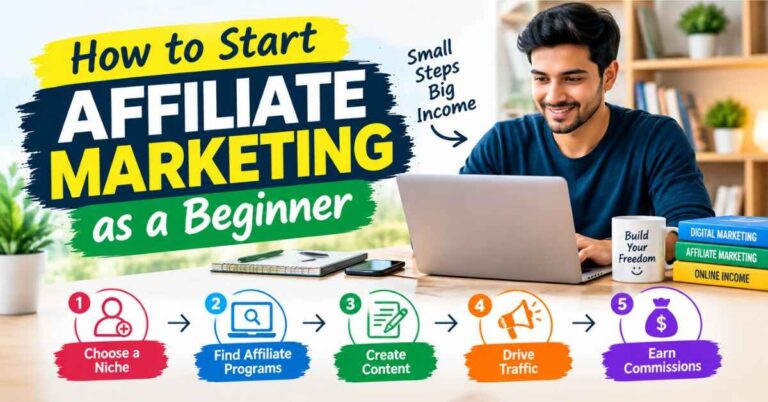
If you haven’t read my guide to starting affiliate marketing as a beginner yet, have a look at that one first. This post leans on it. Then come back here when you’re ready to choose a setup.
“System” is a slippery word
Sellers love it. Sometimes a system is a piece of software. Sometimes it’s a course. Sometimes it’s a funnel somebody else built, and you just drop your link into it. And sometimes the word means nothing more than a program that pays you when people buy.
That fuzziness is a big reason beginners get burned. Someone tells you “this system does everything for you,” and you picture something that hums along by itself. What you usually get is a starting point and a pile of work that’s still yours.
For this post I’m sorting the options into four rough groups: free programs and networks, digital product marketplaces, training platforms, and done-for-you coaching programs. They solve different problems, and none of them is a shortcut.
Free programs and networks
Most people should at least start here, because it costs nothing to try.
Amazon Associates is the one everyone’s heard of. You join, grab links to nearly anything sold on Amazon, and earn a small cut when someone buys. Past Amazon, there are big networks like Awin and CJ that work like directories. Thousands of brands list their programs, and you apply to each one separately.
The upside is obvious. It’s free, and you’re promoting things people already know and trust, so the buying part is easy. The downside is that commissions on everyday products tend to be small, which means you need plenty of traffic before the money gets interesting. The rules shift too. Amazon, for one, has had conditions like needing qualifying sales within a set time after you join, and its rates vary by category, so read the current terms before you build anything around it. Some programs also have short tracking windows, so a reader who buys a few days later might not count at all.
If you’re writing about home gear, tech, fitness equipment or a hobby, this route fits naturally. Honestly, I’d call it the best place to practice and a slow place to get rich. Use it to learn how the whole thing works without risking a cent.
Digital product marketplaces
ClickBank and Digistore24 are the names you’ll see most. Instead of physical goods, they list digital stuff: courses, software, memberships, ebooks, programs of all sizes. You browse the catalog, choose something, and get a link. The marketplace handles tracking and payouts, so you aren’t chasing each company for your money.
Why do people like them? Because digital products often pay a much bigger share per sale. There’s no factory or warehouse behind them, so sellers can afford to be generous, and some offers even pay recurring commissions. For a beginner with modest traffic, that math is kinder.
The catch is quality, and it’s a big one. You’ll find genuinely good products sitting right next to junk, and the sales pages don’t always make it easy to tell which is which. Some come with wild income claims. If you promote one of those, your readers connect you to it.
So you have to be your own filter. Before promoting anything from a marketplace, read the refund policy, hunt for independent reviews, and ask yourself whether you’d honestly recommend it to a friend. If you’re comfortable doing that homework, and your topic is online business or personal growth where digital products are everywhere, this can be a good step up from the free programs.
Training platforms
This group works differently. Rather than handing you things to promote, a training platform teaches you how to build an affiliate business. Wealthy Affiliate is the best known, and there are plenty of smaller ones.
They usually bundle video lessons, a community, and sometimes tools like hosting. Many have a free tier so you can poke around, then a paid membership for the full thing. Prices and features change, so check the live page and not some review from two years back.
What they do well is give you a path, which is exactly what many beginners lack. A community means you can ask a dumb question without feeling dumb, and the monthly cost is usually far below a high-ticket coaching program.
What they don’t do is the work. You still need to build your own site or channel, make the content, and wait for traffic. And here’s the trap I’d watch for: some people join, watch lessons for months, and never publish a single thing. Studying feels like progress, but it’s not the same.
If you like learning step by step, want some structure without a big upfront bill, and would rather build your own asset like a website than slot into someone else’s funnel, this tends to be a solid middle ground. Just go in knowing the lessons only help if you act on them.
Done-for-you and coaching programs
This is the priciest group, and the one people argue about most.
These programs usually push higher-priced offers, the “high-ticket” stuff, where a single sale can pay a few hundred dollars. Most include coaching, a ready-made funnel or setup, and a community. The pitch: you skip the technical headaches and the guesswork, and put your energy into getting people in front of the offer.
The Millionaire Partner System falls in this bucket. From its checkout listing, it comes with 12 weeks of coaching, a done-for-you setup, community access and a batch of bonuses, and it’s sold as a split payment, with an upfront amount and monthly payments after that. I went through the details, including cost, refund questions and who it really suits, in my full breakdown: Millionaire Partner System Review 2026: Legit Way to Earn Online or Just Another Hype Machine?
Where it can help: real guidance from an actual person, a setup you don’t build from scratch, and the chance at bigger commissions per sale. If you’ve tried going it alone and stalled, that structure might be worth paying for.
Where I’d be careful: it costs far more than anything above, and marketing in this corner of the internet leans hard on big income numbers. Those are best-case figures. In this program’s case, its own fine print says results aren’t typical. And “done for you” never means “done.” You’ll still put in the effort, and a high-ticket offer is a harder sell than a $30 product.
It could suit you if you have the budget to try it without stress, you learn better with coaching, and you accept that nobody can guarantee income. It doesn’t suit anyone who’d need to borrow to join, or who needs money fast. This is the group where I’d slow down the most. Watch any free training first, read the terms and refund policy, and don’t let a countdown timer rush you.
So which are the best affiliate marketing systems for beginners?
You’ll want a straight answer, and it’s less exciting than you hoped: it depends on your situation.
If you’ve got very little to spend, start with the free programs and networks. Learn the basics, publish a few pieces, see what happens. The only thing you lose is time.
If you can stomach a bit more risk and want better commissions, look at the digital marketplaces, and be strict about what you promote.
If you want structure on a modest budget, a training platform with a free tier lets you look before you pay.
And if you’ve tried alone, stalled, and can afford proper coaching, the done-for-you route deserves a careful look. Careful being the word.
Plenty of people mix these anyway. They learn on a training platform, earn first commissions through free programs, and move to higher-paying digital offers once they have some audience. You’re not locked into one forever.
How to pick without regretting it
When I think about why some beginners stick and others vanish, the system matters less than a handful of ordinary things. These are the questions I’d ask before spending a cent.
How much could you lose without it hurting? Not how much you can spend. How much you could lose. That number is your ceiling.
How do you learn best? If you’re happy teaching yourself from videos, a free route will do fine. If you drift without someone to answer to, paying for structure or coaching might be worth it.
How much time do you really have? An honest hour a day beats an imaginary four. A lot of those “30 minutes a day” promises quietly assume you already know what you’re doing.
Do you want to own something? A blog or a channel is yours. A system that mostly runs through someone else’s funnel can pay well, but you’re building on their land.
And can you find independent opinions? Not the testimonials on the sales page. Real discussion, complaints included. If you can’t find any, be cautious.
Write your answers down. It sounds a bit silly, but it stops you from buying on a burst of excitement at eleven at night.
Warning signs, whichever system you’re eyeing
A few things should make you stop and think no matter which group you’re in.
Income claims with no context. “Earn $3,000 a day” tells you nothing about how many people actually do. If the fine print says results aren’t typical, believe the fine print.
Pressure with a deadline. “Only three spots left” and “this video comes down tonight” are sales tactics. A good offer will still be there after you sleep on it.
No clear refund policy. If you can’t find the terms in five minutes, take that as your answer.
Fuzzy detail about what you actually get. You should be able to list what’s included in plain words. If you can’t, ask.
Promises of no work. Every real affiliate business takes effort. “Autopilot” is somewhere you might end up, not where you start.
None of these alone proves a program is bad. But two or three together should slow you right down.
What I’d do if I were starting this week
If a friend asked me over coffee, I’d say something like this.
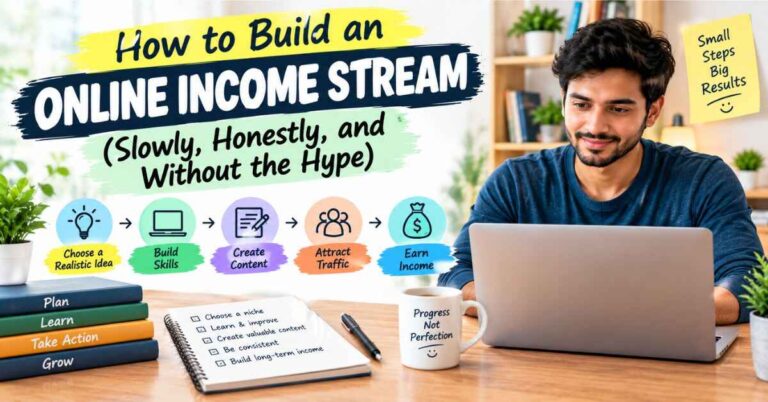
Pick a topic you can stand talking about for a year. Pick one platform. Join one or two free programs connected to that topic and write three real pieces around them. Don’t spend money yet. Just find out what it feels like to publish, get a few visitors, and maybe earn a first small commission.
After a couple of months you’ll know a lot more about yourself than you do today. Whether you like this. Whether you can stay consistent. Where you actually need help. That’s the moment to think about paid training or coaching, because now you’re buying to fill a real gap and not because a sales page got you excited.
If you’d like to see how one coaching-style system approaches things before you decide, you can watch the free training and judge it for yourself:
👉 Watch the free Millionaire Partner System training here
You don’t have to join anything to get going. A free program, a free platform and a few honest posts are plenty to start.
Quick questions people ask
Is there one system that’s best for everyone? No, and anyone who says there is has something to sell. The best one is whichever fits your budget, your learning style and your schedule.
Can I use more than one? Yes, lots of people do. Start with one so you don’t scatter your energy, then add more once you’ve got a rhythm.
Do I need to pay for a system at all? Not at the start. Free programs and free tutorials can teach you the basics. Paid options mostly save time and give you structure.
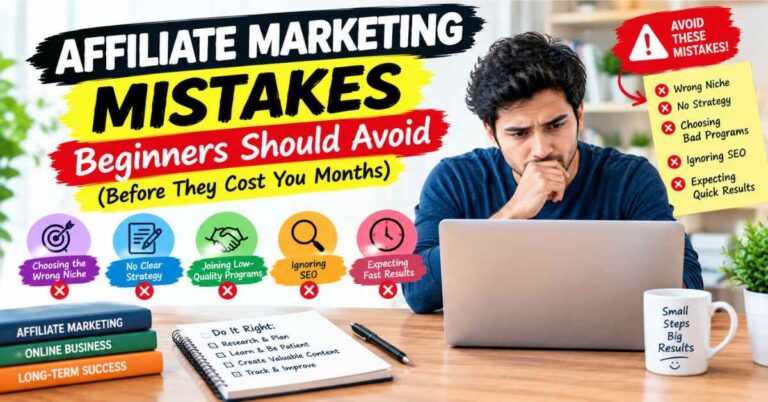
What’s the biggest mistake beginners make picking a system? Buying before they’ve tried anything. Spend a few weeks on free options first, so you know what problem you’re actually trying to solve.
How long before I see results? It varies a lot, and anyone naming an exact date is guessing. Think months, not days.
Where I’d land
There’s no single winner. Free programs are the safest way to learn. Marketplaces pay better but ask you to be picky. Training platforms give you structure on a modest budget. Coaching programs offer the most hand-holding for the highest price.
Start where the risk is lowest, notice what you learn, and only spend money when you can say exactly what it’s meant to fix.
If you’ve tried one of these and have a story, good or bad, leave a comment. I’d like to hear it, and so would the next beginner reading this.
(Optional: add two or three lines from your own experience here, such as which type you tried first or a mistake you made. A real detail will make the post feel more human than any edit.)
Affiliate Disclosure
A quick note: some links in this post are affiliate links. If you click one and buy something, I may earn a small commission, at no extra cost to you. I only point you toward things I think are worth a look, and I try to be honest about the downsides too. This isn’t financial advice, and results vary from person to person, so please do your own research, check current prices and terms on each official site, and only spend what you can afford.