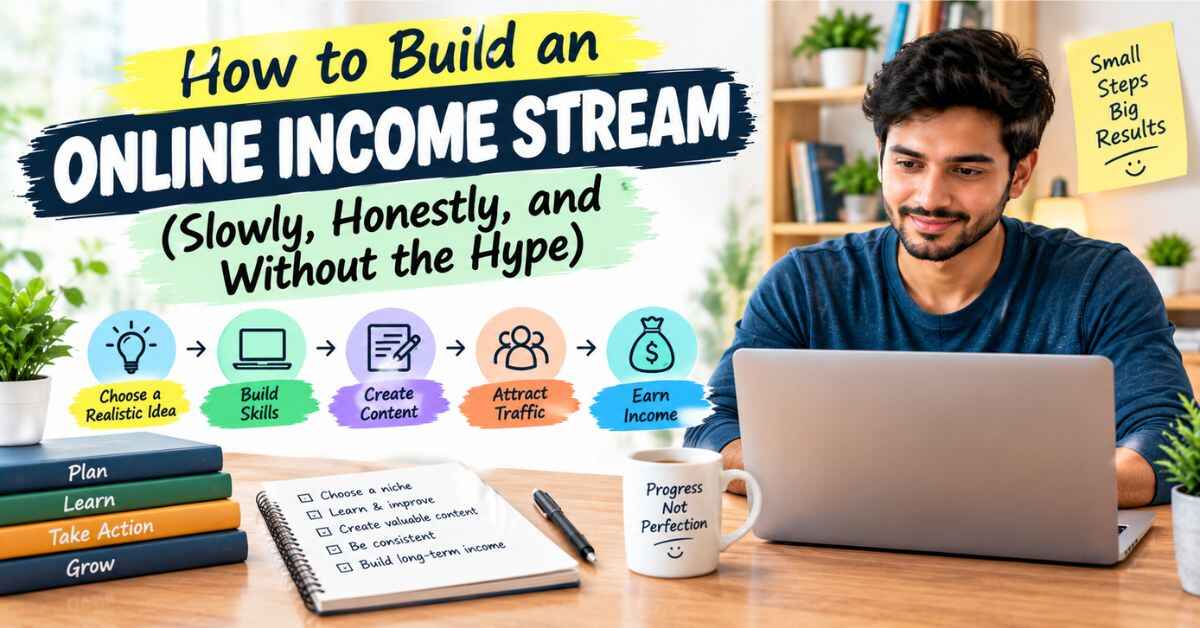
How to Build an Online Income Stream (Slowly, Honestly, and Without the Hype) in 2026
Most people who ask how to build an online income stream are really asking something else. What they mean is, “Is there a way out of this?” Out of a paycheck that’s gone before the month is, or a job that takes everything and gives back very little, or just the nagging feeling that there’s no backup if something goes wrong.
That’s a fair thing to want. But the way most people go after it is backwards. They hunt for the perfect method, spend a few weeks comparing options, buy a course or two, and end up with a folder full of bookmarks and no income.
So here’s a plainer way to think about it. This isn’t a list of 50 side hustles. It’s how the pieces fit together, what to build first, how long things really take, and the mistakes that quietly swallow people’s first year.
An income stream is just money from one source
That’s the whole definition. Your salary is one stream. Rent from a flat is another. Commission from recommending a product is another. When people talk about building an online one, they mean creating a source of money that runs through the internet and doesn’t hang on a single boss or a single client.
The word “stream” is what trips people up, because it sounds easy, like water running downhill. Most real streams start as a trickle you have to dig a channel for. Some never get past that. Some do.
There’s also a split worth knowing early, since it shapes everything after it. Some online income is active: you do the thing, you get paid, and when you stop, so does the money. Some is built: you put in the work upfront and it keeps paying for a while without you. Most people want the second kind. Nearly everyone needs the first kind to last long enough to build it.
How to build an online income stream: run two speeds at once
If you only chase the slow kind of income, you run out of patience and money before it shows up. If you only do the fast kind, you end up with a second job that never ends.
What tends to work better is doing both.
The fast lane is anything where you swap a skill for money quickly. Freelance writing, design, editing, bookkeeping, social media help, virtual assistance, online tutoring. If you reach out to enough people, a first paying client can show up within weeks. It won’t make you rich, but it covers costs and keeps you from quitting in a panic.
The slow lane is where you build something that can pay you later. A blog, a YouTube channel, an email list, a small digital product, or affiliate commissions from content you publish. These usually take months before they matter, and sometimes closer to a year.
So put a few hours a week into the fast lane to keep some money coming in, and the rest into the slow lane. As the slow one grows, you can ease off the fast one. It’s not glamorous advice, but it’s how a lot of people make the switch without drama.
Pick one stream and stay with it
Here’s where people sabotage themselves. They read about freelancing and affiliate marketing and print on demand and dropshipping and YouTube and newsletters, and decide to do all of it.
Please don’t. Pick one and give it a proper go. Not a weekend. A few months.
The reason is dull but true: every stream has a learning curve, and the first stretch is where it feels like nothing’s happening. If you jump to something new every time that feeling arrives, you never leave the starting line.
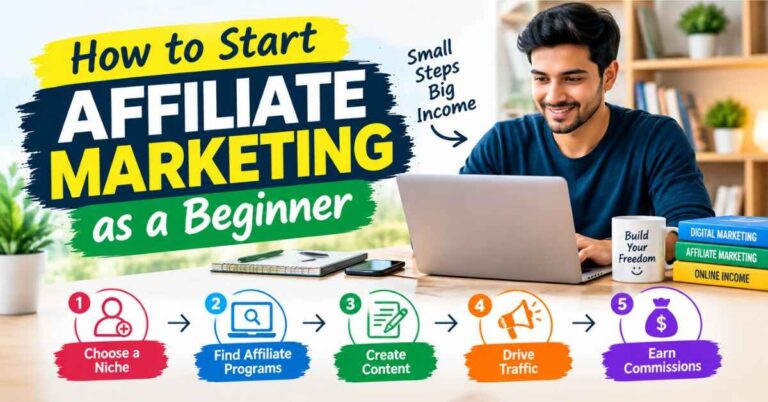
If you’re stuck choosing, ask what you’ve already got. A skill people pay for points you toward freelancing, which is the quickest route to real money. If you like explaining things, a blog, videos or a newsletter can fit, and you can add income to it later. If you enjoy recommending stuff you’ve used, affiliate marketing might suit you, and I covered the basics in my beginner’s guide to affiliate marketing. And if you know one area unusually well, a guide, template or short course could be worth building down the line.
If none of that fits, that’s fine too. Start with the fast lane, find out how online work feels, and let your interests show themselves over time.
Find something people actually want
Every stream that lasts sits on top of somebody wanting something. Sounds obvious, yet plenty of people start from “what do I feel like making?” instead of “what does someone need?”
You can spot real needs without much effort. Read the questions people keep asking in forums and groups around your topic, because the repeated ones are gold. Look at what’s selling on marketplaces, since a popular product means there’s demand. And think about what you struggled with yourself. If you had trouble finding a clear answer, other people probably do too.
You don’t need an original idea. You need to be clear, useful, and a little more honest than what’s already out there. That bar is lower than you’d think.
Make something small and show it to people
This is where the real learning happens, and it’s the step people put off the longest.
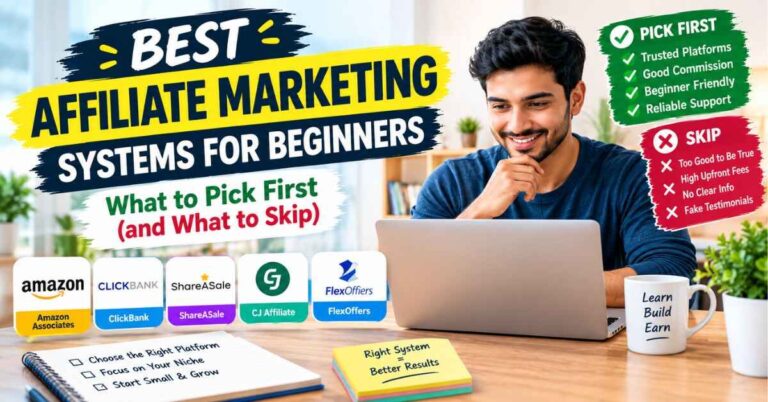
If you’re freelancing, it means writing a short pitch and sending it to twenty people. Not two. Twenty. Most won’t reply, and that’s normal. If you’re building content, it means publishing your first five pieces even though they won’t be great. Nobody’s first five are. If you’re going the affiliate route, it means choosing a product you’d honestly recommend and writing a real review. I get into how different setups change how fast you can move in my post on the best affiliate marketing systems for beginners. And if you’re making a product, build the smallest useful version, like a one-page checklist, and offer it to a few people for feedback.
What you’re after is real reactions. A reader who clicks away. A client who says no. A friend who says, “I didn’t get this part.” That’s worth more than another week of planning.
Then get it seen, and be patient
An income stream needs a source of attention. For freelancers that’s outreach and referrals. For content and product people it’s traffic.
There are two roads, and I’ll be blunt about both. The free one is search, social posting and word of mouth. It costs time, not money. It’s slow, and it rewards showing up more than being clever. A blog post can take months to appear in search. A video might get twelve views, then six months later start bringing in people every day.
The paid road is advertising. It can speed things up, but it can also eat your savings while you’re still working out what works. If you try it, start with a small test budget you wouldn’t miss.
For most beginners, the free road is the smarter first move. You learn more per hour, and being wrong costs less.
Turning attention into money
At some point the attention has to become income. There are a handful of ways, and most streams end up using more than one.
You can sell your time, through freelancing or consulting. You can sell products you’ve made, like guides, templates or courses. You can earn commissions by recommending other people’s products. You can take ads or sponsorships, though that usually needs a bigger audience. Or you can run a small membership or paid newsletter for people who value your work.
They each have a catch. Selling your time pays fastest and scales worst. Products pay slower but can scale. Commissions are the easiest to start since you build nothing, though they rest on people trusting you. Sponsorships depend on size, and memberships on loyalty.
Honestly, the sturdiest streams mix two or three. A blogger earning from affiliate commissions, a small digital product and the odd freelance project is far less exposed than someone relying on a single source.
What about done-for-you systems and coaching programs?
At some point you’ll probably meet ads for systems that promise to set the whole thing up for you, usually with coaching, a ready-made funnel and a community. Some are built around promoting higher-priced offers, where a single sale can pay a few hundred dollars.
They aren’t automatically scams, and they aren’t automatically worth it. They’re a trade. You pay money to save time and get guidance, and whether that’s a good deal depends on your budget, how you learn, and whether the claims stand up.
One I looked at closely is the Millionaire Partner System. It includes coaching, a done-for-you setup and community access, and it sits at the pricey end. The marketing makes big income claims, while its own fine print says results aren’t typical. I went through the cost, the refund questions and who it really suits in my full review: Millionaire Partner System Review 2026: Legit Way to Earn Online or Just Another Hype Machine?
My advice is to try a free route for a couple of months before you spend serious money on any program. By then you’ll know what problem you’re actually trying to solve, and you’ll weigh the offer with a cooler head.
And if you’d like to see how a coaching-style system works before you decide, you can watch the free training and judge for yourself:
👉 Watch the free Millionaire Partner System training here
How long does it really take?
Nobody can promise you a number, and anyone who does is guessing. But the rough shapes are fairly consistent.
Freelancing is the quickest. A first client can come within weeks if you pitch steadily, and something like regular income within a few months. Content, whether a blog or videos, often takes six months to a year before it earns anything meaningful, and plenty of people quit before then, which is exactly why it pays the ones who don’t. Affiliate commissions depend on your content and traffic, so a first one might land early or take many months, though it’s rarely instant. With digital products, making the thing can be quick. Finding buyers is the slow part.
The pattern is the same everywhere. The first stretch is the hardest because there’s no proof yet that it works, and most people stop right there.
Mistakes that quietly cost people a year
I could write a whole post on this, and I will, but a few come up so often they deserve a mention here.
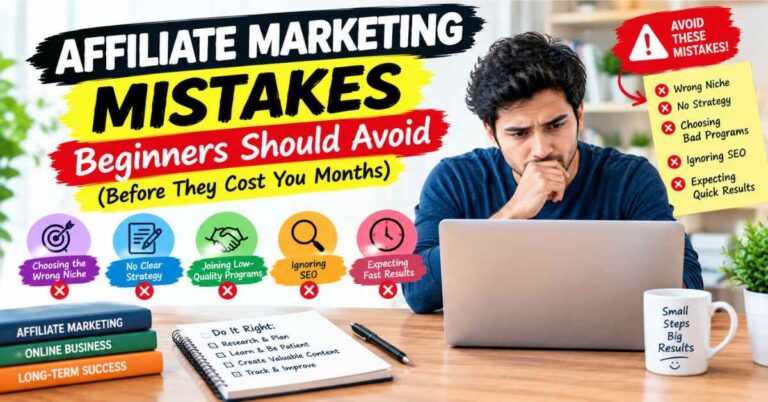
Switching methods every few weeks feels like progress. It’s actually starting over. Buying before trying is another one: a course can help, but if you haven’t done the thing at all, you don’t yet know what you need to learn. Chasing income that “runs itself” is a third, because nearly every stream needs hands-on work at first, often for a long time.
People also ignore the money side. Track what you spend and what comes in, even if it’s tiny. It keeps you honest and shows you what’s working. Many go quiet too. If you never tell anyone what you’re building, you get no feedback, no referrals and no accountability, so tell a friend or join a small community.
And finally, quitting a stable job too early. Build alongside it until the new income is real and steady. There’s no prize for jumping first.
A realistic first 90 days
If you’d like something concrete, here’s a plain way to spend three months.
In month one, choose your stream. Decide whether you’re starting in the fast lane, the slow lane, or a little of both. Set up whatever you need, make your first few pieces of work, and show them to somebody.
In month two, keep publishing or pitching and learn from the reactions. Tweak what you offer. Start tracking numbers, even basic ones.
In month three, lean into whatever got a response and drop what didn’t. If you’ve earned anything, even a tiny amount, note exactly where it came from.
You won’t be rich at the end of it. But you’ll have something more useful than a guess: proof of what works for you.
Quick questions people ask
How much money do I need to start? Often very little. Freelancing and content can start free. Costs like a domain, hosting or tools tend to come later and can stay small.
Can I do this with a full-time job? Yes, and I’d suggest it. A steady hour or two most days adds up.
Is passive income real? Sort of. Some streams pay with less effort once they’re built, but nearly all need hard work first and upkeep after. “Passive” is where you might end up, not where you begin.
Which stream is best? There’s no universal answer. The best one is whichever you’ll keep doing when it gets boring.
What if I try and it doesn’t work? Then you’ve learned what doesn’t suit you and picked up skills on the way. Very few people get the first attempt exactly right.
Where to start today
If you only take one thing from this, let it be this: pick one stream and do one small, real thing this week. Send ten pitches. Publish one honest post. Write one review. Build one tiny product.
That’s how an income stream actually begins. Not with the perfect plan, but with an imperfect first step, and then another.
If you’ve started something online, or you’re stuck on where to begin, leave a comment. I’d like to hear where you are.
Affiliate Disclosure
A quick note: some links in this post are affiliate links. If you click one and buy something, I may earn a small commission, at no extra cost to you. I only point you toward things I think are worth a look, and I try to be honest about the downsides too. This isn’t financial advice, and results vary from person to person, so please do your own research, read the terms and refund policy on any program before you buy, and only spend what you can afford.