Beehiiv vs Substack: Which Newsletter Platform Is Actually Worth Your Time?
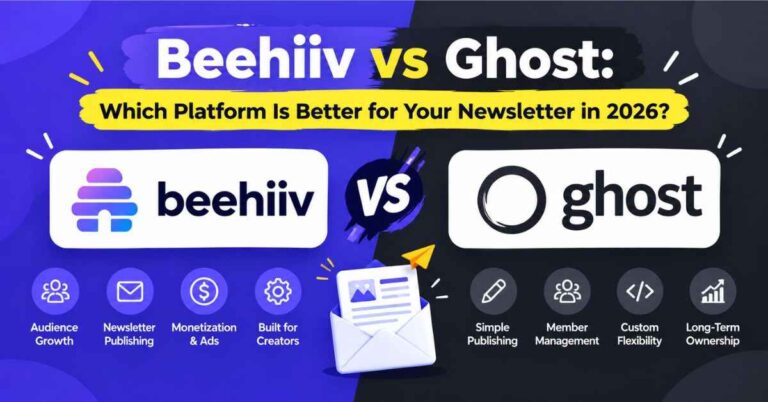
If you’re stuck on the beehiiv vs Substack question, you’re in good company. These two come up in almost every conversation about starting a newsletter, and the advice you’ll find online is all over the place. One person swears Substack is the only sensible choice. Another says they moved to beehiiv and never looked back.
Both can be true. They’re just built for different kinds of people.
So instead of picking a winner and pretending it’s obvious, I’m going to walk you through how they differ in the places that really matter: cost, growth, money, control, and day-to-day writing. By the end, you should have a clear sense of which one fits your situation, and a few honest warnings about where each one falls short.
The Mistake That Costs Newsletter Writers the Most
Let me tell you a story that’s more common than you’d think.
A writer starts a newsletter on the platform her favorite author uses. It’s free, it’s simple, and she’s up and running in an afternoon. She writes every week for a year. Her list grows to a few thousand people. Then she decides to launch a paid tier, because readers keep asking for more.
That’s when she looks at the numbers. A slice of every subscription goes to the platform before she sees a cent. It’s not a scandal, it was always in the fine print, but it feels different when it’s your money and your readers.
So she looks into moving. And that’s the second shock: moving is possible, but it’s a hassle. Emails need to be re-sent, readers confused, links broken, and some of the audience quietly disappears in the process.
I’m not telling this story to scare you off any platform. I’m telling you because the decision you make in week one affects you in year three. The tool that feels easiest on day one isn’t always the one that serves you best once you have a real audience.
That’s the whole reason this comparison is worth doing carefully.
The Real Problem: Both Platforms Look Great From the Outside
Here’s what makes this choice hard. On the surface, they do the same job. You write, you hit send, readers get an email. Both give you a website for your archive. Both let you charge for subscriptions. Both have some way to help readers discover you.
So people choose based on vibes, or because someone they follow uses one. That’s a shaky way to make a decision that could shape your income.
The differences only show up when you ask harder questions:
- What happens to my money when I start charging?
- How will new people find me, and how much of that is up to me?
- How much of my brand do I actually control?
- What does it cost when my list gets big?
- How easy is it to leave if I ever want to?
Let’s go through each of these. Also Read: Beehiiv Review 2026: An Honest Look at the Newsletter Platform Everyone Keeps Talking About
A Quick Look at Each Platform
Substack
Substack is the one most people have heard of. It became popular because it made starting a newsletter almost effortless. You sign up, write a post, and you’re live. It’s free to start, and it only takes a cut when you start charging readers.
Its biggest strength is its network. Substack has its own app, its own feed, and a culture of readers who browse and subscribe to writers inside the platform. For a lot of writers, that built-in audience is the main reason they’re there. It leans toward writers, essayists, and journalists who want a simple home for their words.
beehiiv
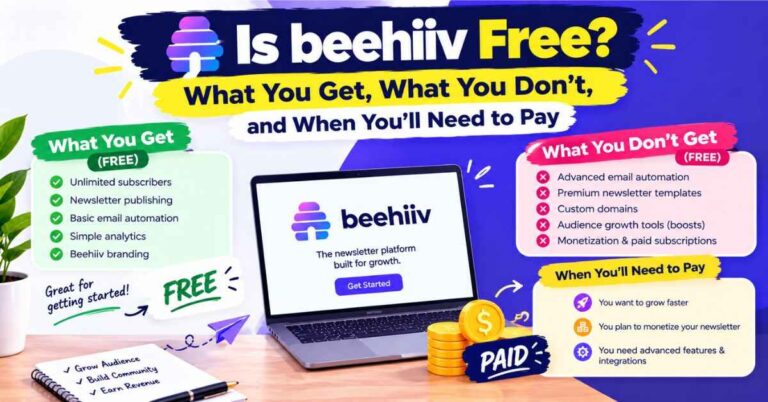
beehiiv is newer. It was built by people with newsletter-industry experience, and it feels like a toolbox for people who want to treat their newsletter as a growing publication or business. It has a free plan for up to 2,500 subscribers, then paid plans that now go by the names Lite and Pro, with custom pricing for the very biggest publishers.
Its strengths are growth tools, customization, monetization options, and analytics. It’s less of a “come write here and be discovered” place and more of a “here are the tools to build your own thing” place.
That one difference, community network versus toolbox, explains most of what follows.
Cost: Where the Two Platforms Part Ways
Money is where I’d start, because it’s where the two are most different.
Substack’s model: It’s free to start. When you charge for subscriptions, Substack takes 10% of that revenue, and payment processing fees come on top of that. There’s no monthly bill. The platform makes money when you do.
beehiiv’s model: It has a free plan up to 2,500 subscribers. Paid plans are priced by how big your list is, not by how much you earn. On paid plans, beehiiv takes 0% of your paid subscription revenue, though you still pay normal payment processing fees, like Stripe’s.
Think about what that means in practice.
If you’re brand new with a small list and you’re not charging anyone, Substack costs you nothing and beehiiv’s free plan costs you nothing. Tie.
If you’re growing and you plan to charge readers, the math starts to separate. Substack’s cut grows with your revenue. beehiiv’s cost grows with your list size. When you have a lot of paying readers, a flat plan price can end up cheaper than a percentage of everything you earn. When you have a big list but few paying readers, or none, the opposite can be true, because you’re paying a plan price without sales to offset it.
I want to be fair here, because this is where many comparisons turn into sales pitches. beehiiv raised its prices on October 1, 2026, and some creators weren’t happy about it. A few had moved over specifically to escape Substack’s cut and started reconsidering after the increase. For a small publisher who doesn’t charge readers, the beehiiv paid plans can feel pricey compared with Substack’s “pay nothing until you earn” setup.
So here’s how I’d think about it:
- Planning to charge for a premium tier? beehiiv’s structure can save you real money as you grow.
- Not charging at all, and list is under 2,500? Either one is free. Pick on features.
- Big list, no paid tier, tight budget? Run your own numbers. Substack’s pricing might suit you better.
Before you commit to anything, check beehiiv’s pricing page for current numbers at your list size, since they’ve changed recently.
If you want to see the plans for yourself, Discover Which Beehiiv Plan Fits Your Budget , where you can open a free account and slide the subscriber count to match your own.
Growth: Network vs. Toolbox
This is the part that matters most for most people, and it’s where I think the choice gets personal.
How Substack helps you grow
Substack has a built-in audience. People open the app and browse writers. There are recommendations between publications, a notes-style feed where writers share short posts, and a general sense that readers come to Substack looking for things to read.
If you’re a strong writer in a topic readers actively search for, that environment can feel like a head start. Some people get their first few hundred subscribers mostly because of the network.
The trade-off is that your growth is partly tied to the platform’s own culture and algorithm. You’re benefiting from their ecosystem, which also means you’re subject to it.
How beehiiv helps you grow
beehiiv gives you tools to grow on your own terms:
- A referral program. Readers earn rewards for bringing in friends. You decide the rewards.
- Recommendations. You can recommend other newsletters, and they can recommend you.
- Boosts. You can pay to be promoted to relevant audiences, or earn by recommending others.
- Landing pages and signup forms. Build a lead magnet, embed forms on your site, and collect emails from anywhere.
- A website for your newsletter that can rank in search and bring in readers over time.
- A/B testing and polls on paid plans, so you can learn what your readers respond to.
The difference is that beehiiv gives you levers to pull, and Substack gives you a community to join. If you like having control and enjoy experimenting, the toolbox approach is more fun and, in my opinion, more powerful. If you’d rather write and let the network do some of the work, Substack’s setup is attractive.
Honestly? The strongest approach is usually bringing your own audience to whichever platform you choose. Neither platform is a magic faucet of readers. You still need to share your work, build a presence somewhere, and give people a reason to subscribe.
Customization and Brand Control
This is an area where the difference is easy to feel.
Substack keeps things simple and consistent. Your newsletter looks clean and readable, similar to others on the platform. That’s a plus if you just want your writing front and center. It’s a minus if you want your newsletter to look and feel like a distinctive brand.
beehiiv gives you more room to shape things. You can build a website that looks like yours, connect your own domain, use templates, add landing pages, and (on the highest paid plan) remove beehiiv branding entirely. On Free and Lite, beehiiv branding stays.
If you’re a writer who cares mostly about words and wants zero design decisions, Substack’s simplicity is a gift. If you’re building a brand, a media project, or a business around your newsletter, beehiiv’s flexibility will probably matter more to you.
I think of it like renting versus customizing a home. Substack is a nice, tidy apartment where you bring your furniture. beehiiv is a house where you can knock down walls if you want to, which is wonderful if you have plans, and a bit much if you just need a place to sleep.
Making Money: Subscriptions, Ads, and More
Let’s look at the ways each platform helps you earn.
Paid subscriptions. Both let you charge. Substack keeps its 10% cut. beehiiv’s paid plans take 0% (plus normal payment fees). To sell paid subscriptions on beehiiv, you’ll need a paid plan, not the free one.
Ads and sponsorships. beehiiv has its own ad network that matches your newsletter with brands, plus tools to run direct sponsorships. It’s one of the platform’s selling points. Remember that what you earn depends on your audience and niche, and some creators say rates haven’t matched their hopes, so treat any “average earnings” number as a rough idea, not a promise. Substack has been moving toward advertising too, but its identity has long been centered on reader-paid subscriptions.
Digital products. beehiiv lets you sell digital products, such as guides, templates, and courses, and says it takes no platform fee on them. That’s a handy extra if you have something to sell beyond a subscription.
Other options. beehiiv also supports things like webinars and coaching on higher plans, along with podcasts and community features.
Here’s the way I’d sum it up. If your plan is “readers pay me directly and that’s it,” both work, and the question is mostly about the fee. If your plan is “multiple income streams,” like ads plus products plus subscriptions, beehiiv has more built in.
Analytics and Insight
Understanding what your readers actually do is how you improve.
Substack gives you the essentials: subscribers, opens, clicks, and growth. It’s enough for most beginners and keeps things uncluttered.
beehiiv goes deeper. You can see where subscribers come from, which posts convert readers, which links get clicked, and how your list changes over time. On paid plans, analytics history gets longer, and on Pro it becomes unlimited, with more advanced reporting.
This matters more than people expect. When you know which topic brought in 200 new subscribers last month, you can write more of it. When you know a certain source brings nobody, you stop wasting your time there. It’s the difference between guessing and steering.
Automations and Segmentation
Once your list passes a few hundred people, sending everyone the same thing starts to feel limiting.
On beehiiv’s paid plans, you can set up automations: a welcome series for new subscribers, emails triggered by how someone signed up, and groups based on behavior. A good welcome sequence might be the single most valuable thing you can set up. Your new reader gets a friendly intro, a few of your best pieces, and a sense of who you are, all without you lifting a finger.
Substack keeps things simpler here. You can send a welcome message, but the automation and segmentation options are lighter. For many writers, that’s fine. They just want to write and send. But if you want to build a more deliberate relationship with readers, beehiiv gives you more to work with.
Ease of Use: Where Substack Shines
I promised honesty, so let me give Substack its due.
Substack is easy. Truly easy. The writing screen is minimal, the setup takes minutes, and there’s very little to configure. You don’t have to learn dashboards or decide between options. For someone who gets overwhelmed by tech, that’s a real advantage.
beehiiv isn’t hard, but there’s more to it. More menus, more settings, more things to explore. The editor is clean and friendly, but you’ll spend your first few days figuring out where everything lives. If you give it a weekend, you’ll be comfortable. If you hate learning new tools, Substack’s simplicity might be what keeps you writing.
And that matters, because consistency beats features. A newsletter that gets sent every week on a simple platform will always beat a perfectly configured one that never launches.
Moving From Substack to beehiiv (or the Other Way)
Switching isn’t as scary as it sounds, but it deserves a little planning.
beehiiv offers tools to help you import your subscribers and past posts from other platforms, including Substack. The practical steps look like this:
- Export your subscriber list from your current platform.
- Import it into your new one, along with your archive if you want to keep it.
- Tell your readers what’s happening, so the new emails don’t look suspicious.
- Check your sender setup so your emails land in inboxes, not spam folders.
- If you have paid subscribers, plan their move carefully so nobody gets double-charged or dropped.
The paid-subscriber part is the trickiest. Take your time with it and keep readers informed. It’s doable, people do it every day, but it’s smoother when you don’t rush.
Also, switching works both ways. If you start on beehiiv’s free plan and find it’s not for you, you can export and go elsewhere. Nothing locks you in.
Who Should Choose beehiiv
Based on everything above, here’s who I think gets the most out of beehiiv:
- Writers who plan to monetize seriously with paid tiers, ads, sponsorships, or digital products
- Creators building a brand, not just a blog
- People who like data and want to understand where growth comes from
- Publishers with growing lists who want automation and segmentation
- Anyone who wants more control over how their newsletter looks, grows, and earns
- Small teams who need multiple seats, guest authors, or several publications
If you read that list and thought “that’s me,” a free account is a low-risk way to try it. You can Start Your Newsletter with Beehiiv and see if the toolbox feels right before spending anything.
Who Should Choose Substack
And here’s who I think Substack suits better:
- Writers who just want to write and not think about settings
- People who value the built-in network and reader community
- Those who’d rather pay nothing until they earn, with no monthly plan to worry about
- Anyone who dislikes tech and wants the simplest possible setup
- Essayists and journalists whose main goal is a clean home for their work
There’s no shame in that. Some of the best newsletters in the world are on Substack. The platform works. It just works in a different way.
A Few Real-Life Style Examples
Sometimes it helps to picture actual situations.
The part-time essayist. She writes one thoughtful piece a week about parenting. She has 600 readers, doesn’t plan to charge, and wants zero hassle. Substack, or beehiiv’s free plan, either works. She’d probably be happiest wherever she feels least overwhelmed.
The niche expert turned entrepreneur. He teaches personal finance basics. He’s got 5,000 subscribers, a free guide that brings in new readers, and plans to launch a paid tier and a small course. He wants referrals, automations, and clean analytics. This is where beehiiv’s tools start to pay off.
The curator. She rounds up the best tools in her industry every Friday. No long essays, just great links and short notes. Her list is growing fast, and sponsors are asking about ad space. A platform with a built-in ad network and strong analytics gives her more to work with.
The small media team. Three writers, two newsletters, one shared brand. They need multiple seats and branded emails. That’s firmly in beehiiv’s higher-plan territory.
Different people, different needs. That’s really the whole argument.
The Honest Downsides of beehiiv
I don’t want to leave you with a one-sided picture, so here are the real drawbacks.
- Paid plans cost money, and prices recently went up. If you don’t earn from your newsletter, that monthly cost can feel heavy.
- More features means a learning curve. You’ll need some time to explore.
- Some of the best features require paid plans. Automations, ad monetization, paid subscriptions, and branding removal aren’t on Free.
- There’s less of a built-in reader network compared with Substack’s culture of browsing writers inside the app. You’ll need to bring more of your own audience.
- Ad earnings vary. They depend on your niche and audience, and some creators have reported disappointing rates.
None of these are dealbreakers if you go in with open eyes. They’re just things to weigh.
My Honest Take on beehiiv vs Substack
If I had to boil it down to one sentence: Substack is the easiest place to start writing, and beehiiv is the stronger place to build something.
If your goal is to write, share, and see what happens, Substack is a lovely, low-friction home. If your goal is to grow an audience on purpose, earn from several sources, and own more of the experience, beehiiv gives you more to work with, and the free plan lets you test it without risk.
I lean toward beehiiv for anyone who thinks they might want a real income from their newsletter someday. Not because Substack is bad, but because it’s easier to start on a platform you won’t outgrow than to move later with an audience watching.
That said, nobody can tell you the right answer without knowing your goals. Be honest about what you want from this, and the choice usually becomes pretty clear.
Quick Questions People Ask
Is beehiiv better than Substack?
Better depends on what you need. beehiiv offers more growth tools, customization, and monetization options. Substack offers more simplicity and a built-in reader network.
Which one is cheaper?
Substack costs nothing until you charge readers, then takes 10% of subscription revenue. beehiiv has a free plan up to 2,500 subscribers, then paid plans based on list size, with 0% taken from subscription revenue on paid plans (payment processing fees still apply).
Can I move my Substack newsletter to beehiiv?
Yes. beehiiv has import tools for subscribers and posts. Plan the move carefully, especially if you have paying readers.
Which is better for beginners?
Substack is simpler. beehiiv has a bit more to learn, but its editor is friendly and the free plan gives you room to practice.
Which is better for making money?
If you want several income streams, like ads, digital products, and subscriptions, beehiiv has more built in. If you only want reader subscriptions and simplicity, either works.
Final Thoughts
I’ll leave you with this. The platform matters, but it matters less than showing up. A newsletter that goes out every week, with something useful in it, will beat a perfectly chosen tool that never gets used.
Still, a good fit makes showing up easier. If you want a place that gives you tools to grow, customize, and earn, beehiiv is worth a serious look. You can start free, build your page, send your first issue, and decide with real experience instead of guesses.
If you’re curious, Explore Beehiiv Pricing and Find Your Best Plan and open an account and look around. And if it turns out Substack suits you better, that’s a perfectly good outcome too. You’ll have tried both and chosen on purpose.
I hope this beehiiv vs Substack breakdown saved you some of the second-guessing.
Affiliate Disclaimer
Just so you know, some links in this post are affiliate links. If you sign up through them, I may earn a small commission at no extra cost to you. It helps me keep writing posts like this. I only recommend things I think are worth your time, and my opinions are my own. Platform fees and features change, so please check both sites for the latest details before you decide.